
Your Reserve slab, coated to last
With Reserve sitting 32 miles northwest of Harvey, a site visit is a normal day for us. Dustin looks at the slab and asks about traffic and timing, then Jacob’s crew takes it from there.
Reserve, St. John the Baptist Parish, Louisiana.
Buildings around Reserve
Housing figures from the US Census.
Census numbers put the typical home in Reserve at about 1976. A fifty-year-old garage slab has usually earned its cracks. If the control joints were cut shallow or late, the slab cracked where it wanted to.
We fill those cracks to suit the coating plan and treat real joints as joints.
That mix decides who calls: owners redoing a garage or patio, landlords between tenants, or a business with a shop or a kitchen.
Reserve sits in St. John the Baptist Parish, one of the River Parishes strung along the Mississippi between New Orleans and Baton Rouge, where refineries, cane fields and neighborhoods sit close together. Around St. John the Baptist Parish, the floor work is mostly this: storm-repaired homes and shops in LaPlace, plant and warehouse floors near Garyville and Reserve, and patios on the Edgard side. Close by, typical homes run from about 1970 in Garyville to 2001 in Montz, and Reserve sits on the older side of that spread.
Floor work around Reserve often answers to industrial standards, since plant owners and their contractors expect submittals, safety plans and work that fits inside a shutdown window.
Most homes here are stand-alone houses, about 71 in every 100. Houses on their own slabs mean each owner decides on their own floor, with no board or manager to clear it with first.
Moisture tests come first
The River Parishes.
Reserve is in St. John the Baptist Parish, about 32 miles northwest of the shop.
Plant and refinery floors along the river see chemical spills, hot washdowns, forklifts and steel wheels, sometimes all in one room. A decorative epoxy will not last in that service. Urethane cement, chemical-resistant novolac epoxies and thick troweled systems are built for it, and they need a properly ground or shot-blasted profile to bond. We match the system to what actually lands on the floor, so the first thing we ask a plant for is its chemical list.
Book floor work into a turnaround or shutdown window early, since the crew, the materials and the cure time all have to fit inside dates the plant sets.
On older commercial slabs, plan time for removing what is already there, because old coatings and mastic are often the biggest part of the job.
Homeowners around Reserve with a garage or shop slab should moisture test before coating, since river-country ground keeps on-grade concrete damp longer than most people expect.
Matching the system to the space
Garage Floor Coatings
Flake, solid color, metallic or polished concrete for home garages, ground first so hot tires and oil never lift it.
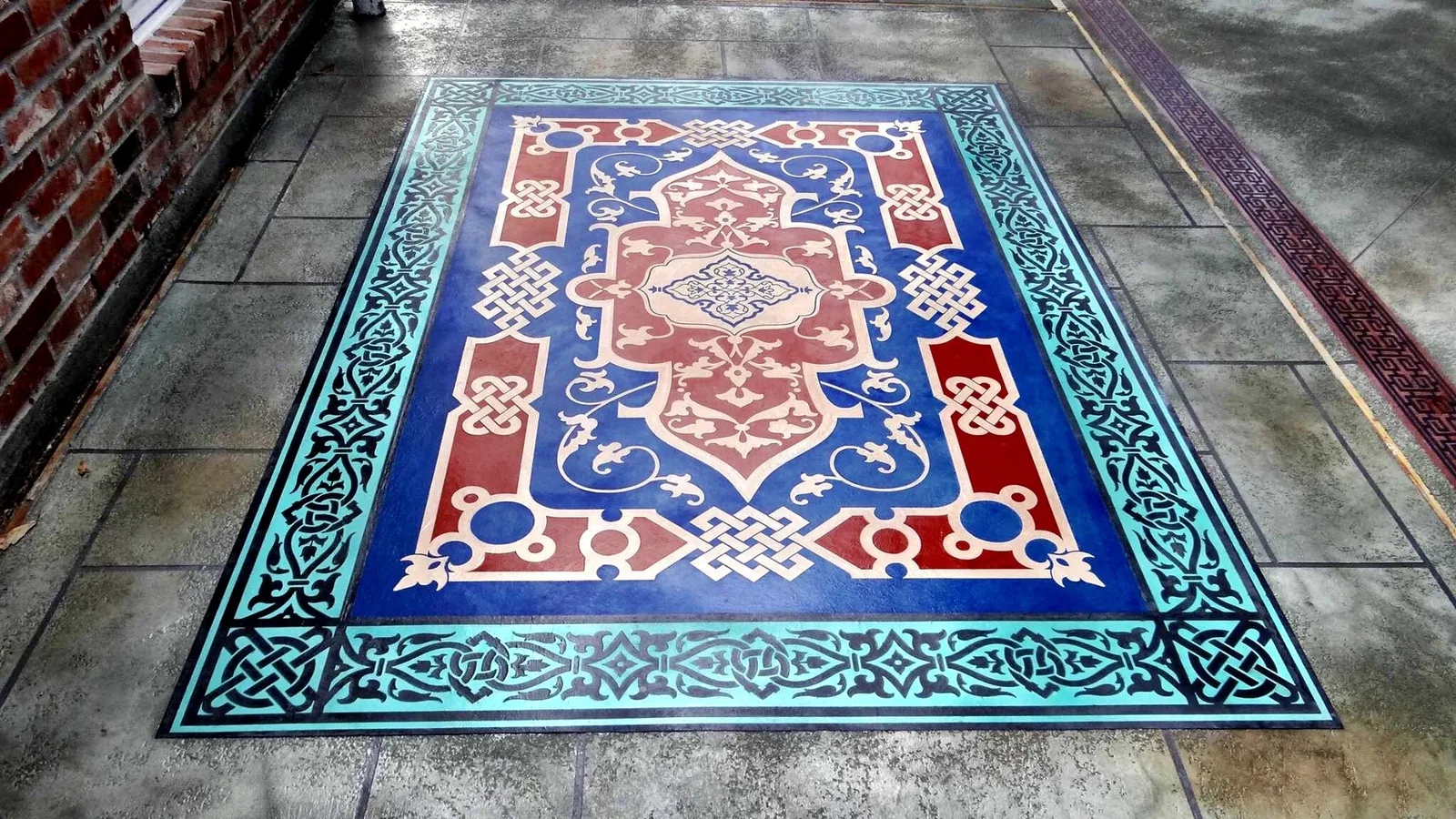
Patio Coatings
Overlays, stamped patterns and stain for covered and open patios and porches, finished with a topcoat that grips in the rain.

Concrete Staining
Reactive acid stain that gives a slab mottled, variegated color, scored or stenciled if you want a pattern, then sealed.
How any floor here gets built
The same order on every job, whatever the system.
The finish you actually walk on, matched to the use.
Where the system gets its build: resin, cement or a decorative overlay.
Soaks in and locks the system to the concrete.
Ground or shot blasted until the surface opens up and a coating can bite.
Whatever the slab is, it gets read first: moisture, cracks, old coatings, and how level it sits.
The next towns over
- Edgard
3 miles away, St. John the Baptist Parish
- Laplace
4.7 miles away, St. John the Baptist Parish
- Garyville
4.8 miles away, St. John the Baptist Parish
- Montz
6.6 miles away, St. Charles Parish
More in St. John the Baptist Parish, on the services page and in the gallery.
Before you call
Or send the plans first.
Want a straight answer today? Ring the office.
(504) 231-6298Do you come out to Reserve?
Yes. Reserve is about 32 miles northwest of our base in Harvey, inside the roughly 100 miles we cover. Someone comes out, looks at the slab and gives you a price after seeing it.
What should I know about a slab from around 1976?
Check whether it is post-tensioned before anyone drills or cuts. Grinding and coating are surface work and safe either way.
Do you work at plants and refineries along the river?
Yes. Industrial and plant floors are a big part of what we do, and we work to whatever safety rules and work permits the site requires. Send the scope, the chemical exposure and the shutdown dates, and we will price a system that fits.
What floor holds up to chemical spills?
Urethane cement and chemical-resistant epoxies, installed thick over a properly prepared slab. Which one depends on the chemicals, the temperatures and the cleaning routine. We match the resin to your exposure list rather than guessing.
Can you finish a floor during a short plant shutdown?
Often, if we plan it before the shutdown starts. We stage materials, run grinding and coating back to back, and pick systems whose cure fits the dates. If the window is too tight for the system you need, we say so up front.
Is Reserve inside your service area?
Yes. The River Parishes sit well inside the area we cover from Harvey on the Westbank. Dustin can set a time to come look at the floor, or a contractor can send plans and the schedule.
Can you quote from photos or plans instead of a visit?
For commercial jobs, drawings, square footage and a schedule are often enough to price the work, with a look at the slab before we start. For homes, photos help, but we want to see the concrete in person before we commit to a system.
When can I walk on it?
Light foot traffic is typically fine within a day on most coatings, and full cure takes longer. We give you the timing for your system, because urethane cement, epoxy and polished concrete all behave differently.
What do I need to do before the crew shows up?
Clear the floor completely, including shelves, stored items and anything you want moved. Make sure the crew has access to power and water. After that, stay off the slab once prep starts.
After a flood, how soon can a floor be coated?
Not until the slab has dried out and been tested. Flood water leaves salts and silt in the concrete, so we grind deeper and check moisture before committing to a coating. Rushing it is how a new floor fails a year later.
Start with the slab
Five minutes on the phone usually tells us whether it is a grind and seal, a coating or a polish.
Send the plans
Facility managers and GCs: send what you have, even a floor plan sketch, and the dates the space can be shut down.