
Damp Crescent slabs and the primers that hold them
Commercial floors around Crescent take hot water, grease and wheeled traffic all day. Jacob Lawson’s crew has spent 22 years grinding slabs like these, and every job still starts at bare concrete. It sits in Iberville Parish, about 77 miles west of Harvey.
Crescent, Iberville Parish, Louisiana.
Old and new construction
Housing figures from the US Census.
The median home in Crescent was built around 1977, by the Census count. Most 1970s slabs were poured to sit under carpet or vinyl. Strip that away and you get plain, rough concrete.
Ground and polished, it shows its age, which some owners like and others cover with a solid-color coating instead.
The capital area mixes towns that go back to plantation days with subdivisions poured in the last few years, so a crew working near Crescent sees every kind of slab. Around Iberville Parish, the floor work is mostly this: process-area floors for the river plants, plus shops, schools and farm buildings out toward Grosse Tete and Maringouin. The nearest towns on our list range from Plaquemine (typical home around 1963) to Addis (around 2011); Crescent lands on the older side.
Around Baton Rouge the Mississippi is lined with refineries, chemical plants and terminals, and the shops, warehouses and contractors that serve them fill the roads behind the levee.
Most homes here are stand-alone houses, about 86 in every 100. With detached houses making up most of the homes, patios and pool decks are a big part of the floor picture. Outdoor slabs like those need a coating that handles sun and stays grippy when wet.
We read those numbers the way we read a slab: they say whether to expect garages, rentals or commercial floors before we drive out.
Storm season and concrete
The Baton Rouge area.
Crescent is in Iberville Parish, about 77 miles west of the shop.
Growth in the suburbs keeps new schools, clinics, stores and houses going up on slabs that are still giving off water. Pair that with the heat and humidity that sit over the capital area most of the year, and you get coatings that blister because they went down too soon. Older buildings in the river towns and the Felicianas bring the opposite job: decades of paint, mastic and patches to take off before the concrete underneath can be read.
Polished concrete suits a lot of older retail space in the capital area, provided the slab is still sound once the old tile and glue come off.
If the building took water in 2016, plan on pulling up whatever went down afterward and testing the concrete underneath before choosing a new system.
For a plant floor, tell us what rolls across it and what gets spilled on it, because wheel loads and chemicals decide both the resin and the thickness.
What to put down here
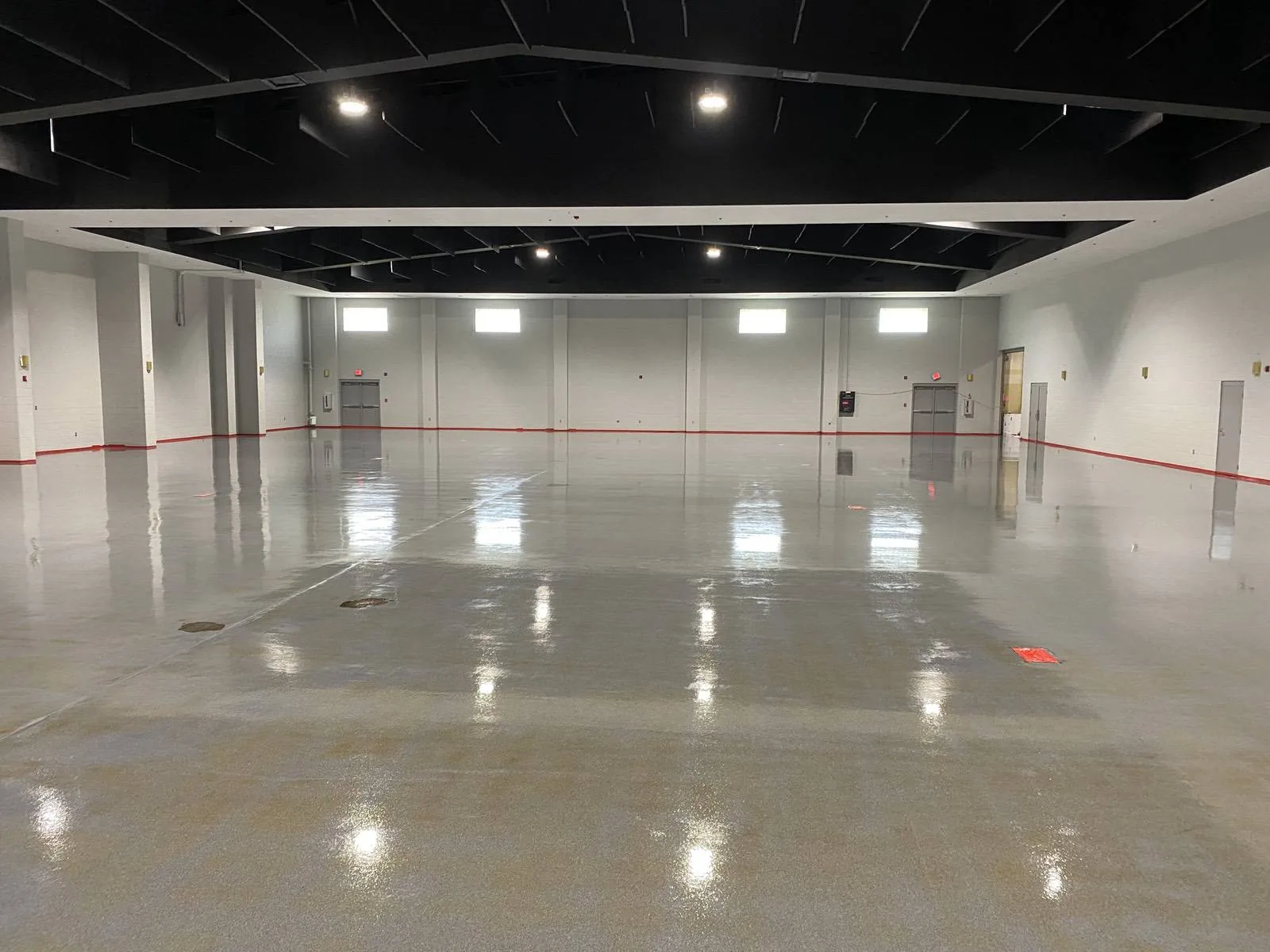
Industrial Flooring
Plants, process areas, shops and support buildings along the river and coast, zoned by use and installed around shutdown windows.
Garage Floor Coatings
Flake, solid color, metallic or polished concrete for home garages, ground first so hot tires and oil never lift it.
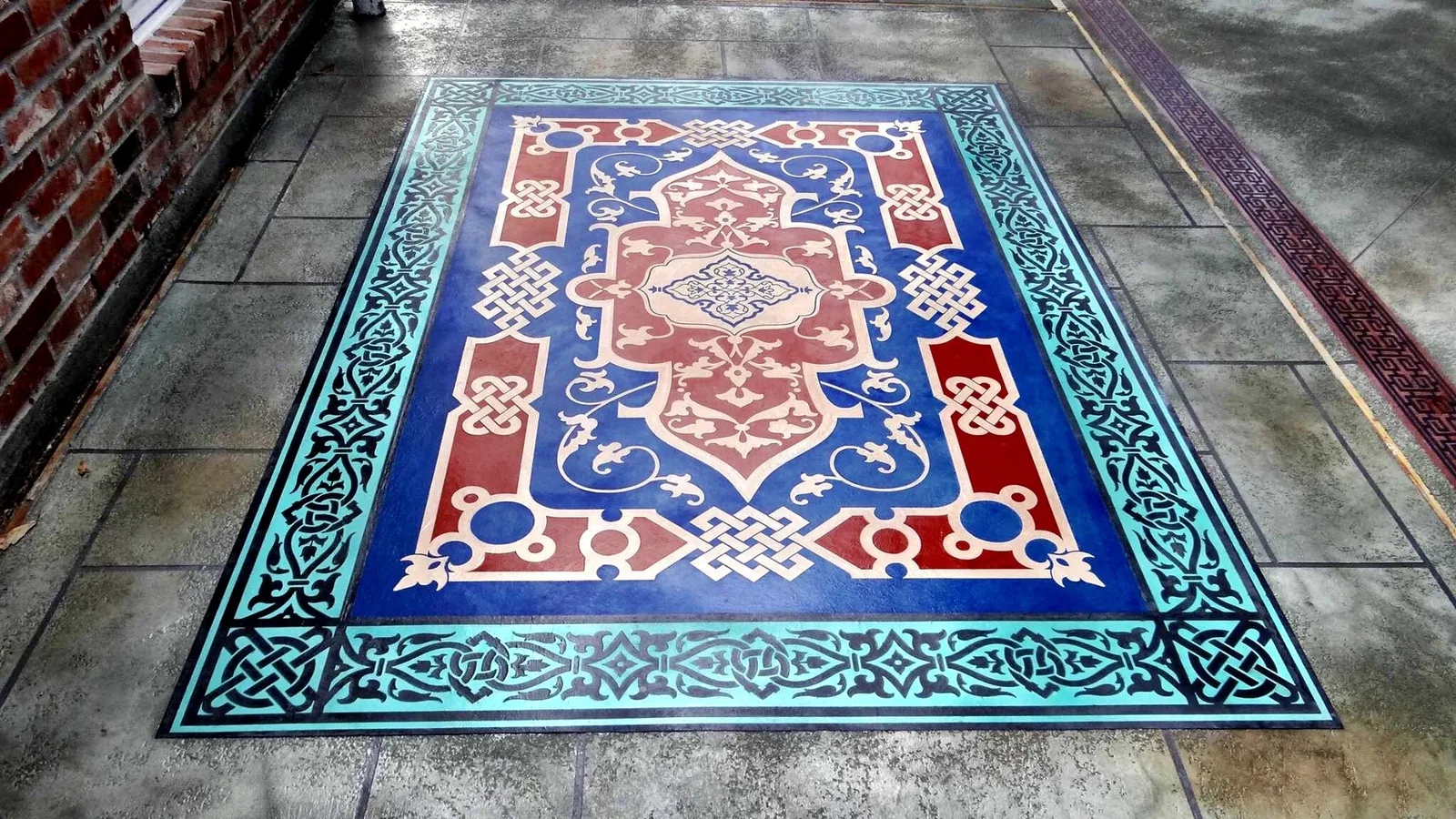
Patio Coatings
Overlays, stamped patterns and stain for covered and open patios and porches, finished with a topcoat that grips in the rain.
How any floor here gets built
The same order on every job, whatever the system.
Topcoat or guard, set to the traffic and the shine you want.
The color and the thickness: epoxy, urethane cement, stain or an overlay.
Soaks in and locks the system to the concrete.
Ground or shot blasted until the surface opens up and a coating can bite.
The concrete as we find it. Moisture, old sealer and cracks decide everything above it.
The next towns over
- Plaquemine
3.8 miles away, Iberville Parish
- Bayou Goula
6.7 miles away, Iberville Parish
- Dorseyville
8.8 miles away, Iberville Parish
- Addis
8.9 miles away, West Baton Rouge Parish
More in Iberville Parish, on the services page and in the gallery.
Quick answers before a visit
Or send the plans first.
Rather ask a person? The office picks up.
(504) 231-6298Do you come out to Crescent?
Yes. Crescent is about 77 miles west of our base in Harvey, inside the roughly 100 miles we cover. Someone comes out, looks at the slab and gives you a price after seeing it.
What should I know about a slab from around 1977?
If the house has an addition, the newer section may sit on a separate slab with different moisture and height. We grind and patch the seam so the coating reads as one floor.
What works in an older building in a river or plantation-country town?
It depends on what sits under the old floor. Many older slabs have paint, mastic and patches stacked on them, so we grind first and read the concrete. Sound slabs often polish well, and rough ones may need a micro-topping or an overlay.
Can you redo a floor that went under in the 2016 flood?
Yes. We take off whatever was laid over it, grind the slab back to sound concrete and test it for moisture. Cracks, spalls and loose patches get repaired before the new system goes down.
Is Crescent close enough for you to take the job?
Yes. The Baton Rouge area is inside the region we cover from Harvey, and we plan the drive so the crew gets full days on the floor. A contractor can send drawings, square footage and the schedule, or Dustin can come out and look at the slab.
Are the new slabs in the suburbs around Crescent ready to coat?
Not always on the builder’s schedule. Fresh concrete gives off water for weeks, and coating it early is how floors blister. We test it, and when the date cannot move we use a primer or a urethane cement made for damp concrete.
Can you quote from photos or plans instead of a visit?
For commercial jobs, drawings, square footage and a schedule are often enough to price the work, with a look at the slab before we start. For homes, photos help, but we want to see the concrete in person before we commit to a system.
Can you work around our business hours?
Commercial jobs often run nights, weekends or inside a planned shutdown window. Tell us when the floor has to be back in service and we build the sequence backward from that date.
What do I need to do before the crew shows up?
Clear the floor completely, including shelves, stored items and anything you want moved. Make sure the crew has access to power and water. After that, stay off the slab once prep starts.
Does hurricane season change the schedule?
Indoor work goes on as normal. Outdoor jobs and anything with a long cure get planned around the forecast, and if a storm is coming we would rather move the date than rush a coating.
Two ways to start
Five minutes on the phone usually tells us whether it is a grind and seal, a coating or a polish.
Send the plans
Bidding a job? Send the plans and the schedule. We price from drawings and walk the slab before we commit to a date.