
Old glue up, new floor down in Poydras
With Poydras sitting 11 miles east of Harvey, a site visit is a normal day for us. Dustin looks at the slab and asks about traffic and timing, then Jacob’s crew takes it from there.
Poydras, St. Bernard Parish, Louisiana.
What kind of place Poydras is
Housing figures from the US Census.
Census numbers put the typical home in Poydras at about 1982. A slab from the eighties can be post-tensioned. Grinding is surface work and safe.
Anchors, cuts and core holes wait until we know where the cables run.
Commercial floor work around Poydras runs on tight windows, because a restaurant, a school or a store in this metro rarely gets to close its doors for long.
Stand-alone houses make up the bulk of it, roughly 81%. Single-family homes dominate, so most floor work starts in a garage or out back. Commercial floors in a place like this tend to be shops, restaurants and small offices.
Numbers like these are why we ask what the space is used for before we talk systems.
Floors in Poydras live with the same Gulf air as the rest of the metro: wet heat most of the year and slabs that sweat whenever warm, heavy air rolls in over cool concrete. Around St. Bernard Parish, the floor work is mostly this: refinery and port-side shops, rebuilt storefronts and garages in Chalmette and Arabi, on slabs that have already seen one flood.
Sun on outdoor slabs
The New Orleans metro.
Poydras is in St. Bernard Parish, about 11 miles east of the shop.
Heat and humidity hang on here for most of the year, and that air is full of water. On-grade slabs pick up moisture from below and from the air above, so a floor that looked dry in the morning can sweat by afternoon. Coatings laid over a damp slab without a moisture test are the ones that blister and peel a season later. We test first, and when vapor readings run high we spec a moisture-mitigating primer or a urethane cement that tolerates it.
For a restaurant or commercial kitchen in Poydras, urethane cement handles hot water, grease and daily washdown far better than a thin epoxy roll coat ever will.
If the building took water in a past storm, plan for full grinding and repair, since old flood residue under a new coating is how floors fail early.
Garage and patio owners should go with a flake or slip-resistant finish, because a glossy floor turns slick fast once humid air or tracked-in rain hits it.
Kitchens and plant floors
Garage Floor Coatings
Flake, solid color, metallic or polished concrete for home garages, ground first so hot tires and oil never lift it.
Patio Coatings
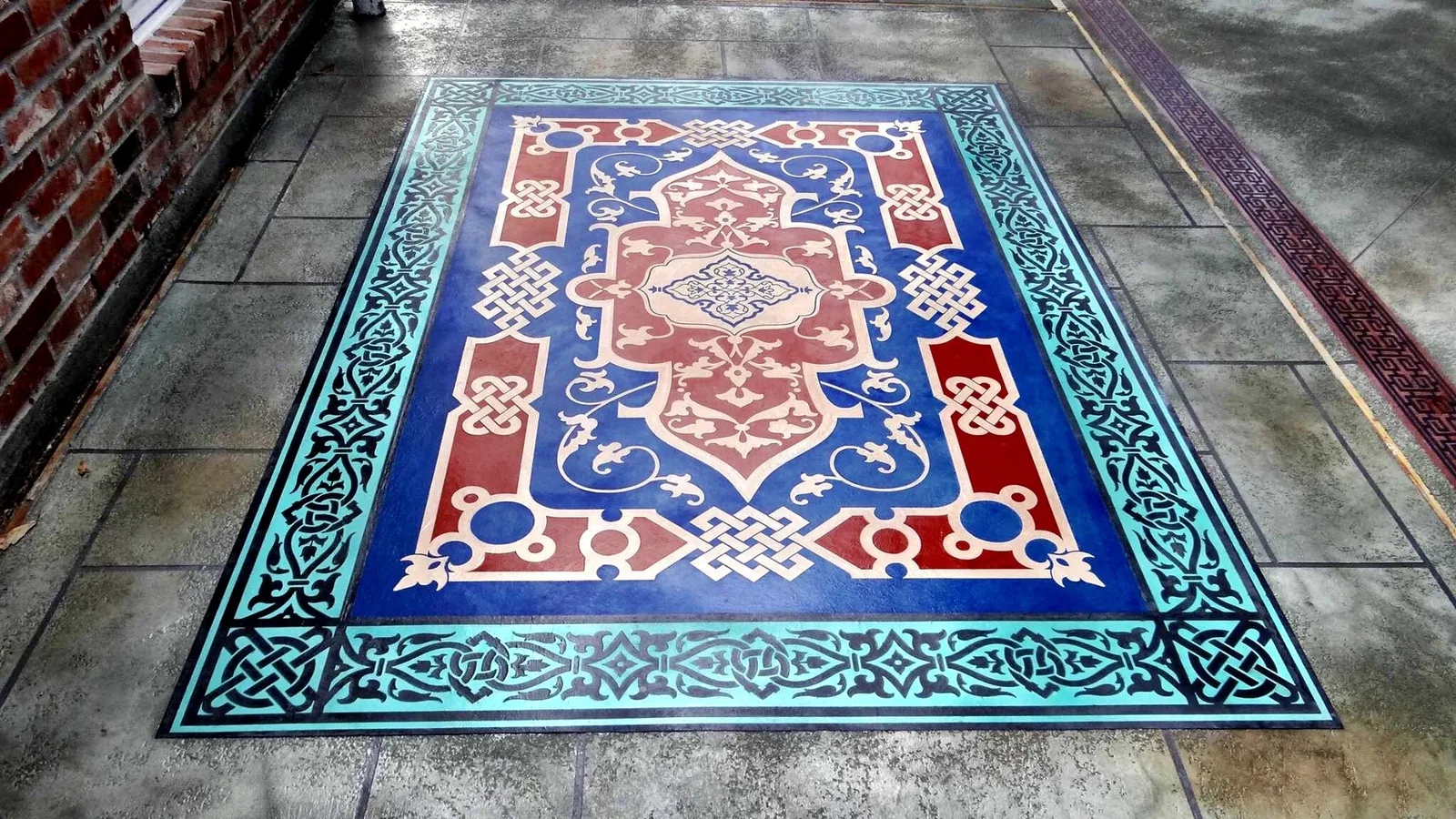
Overlays, stamped patterns and stain for covered and open patios and porches, finished with a topcoat that grips in the rain.
Concrete Staining
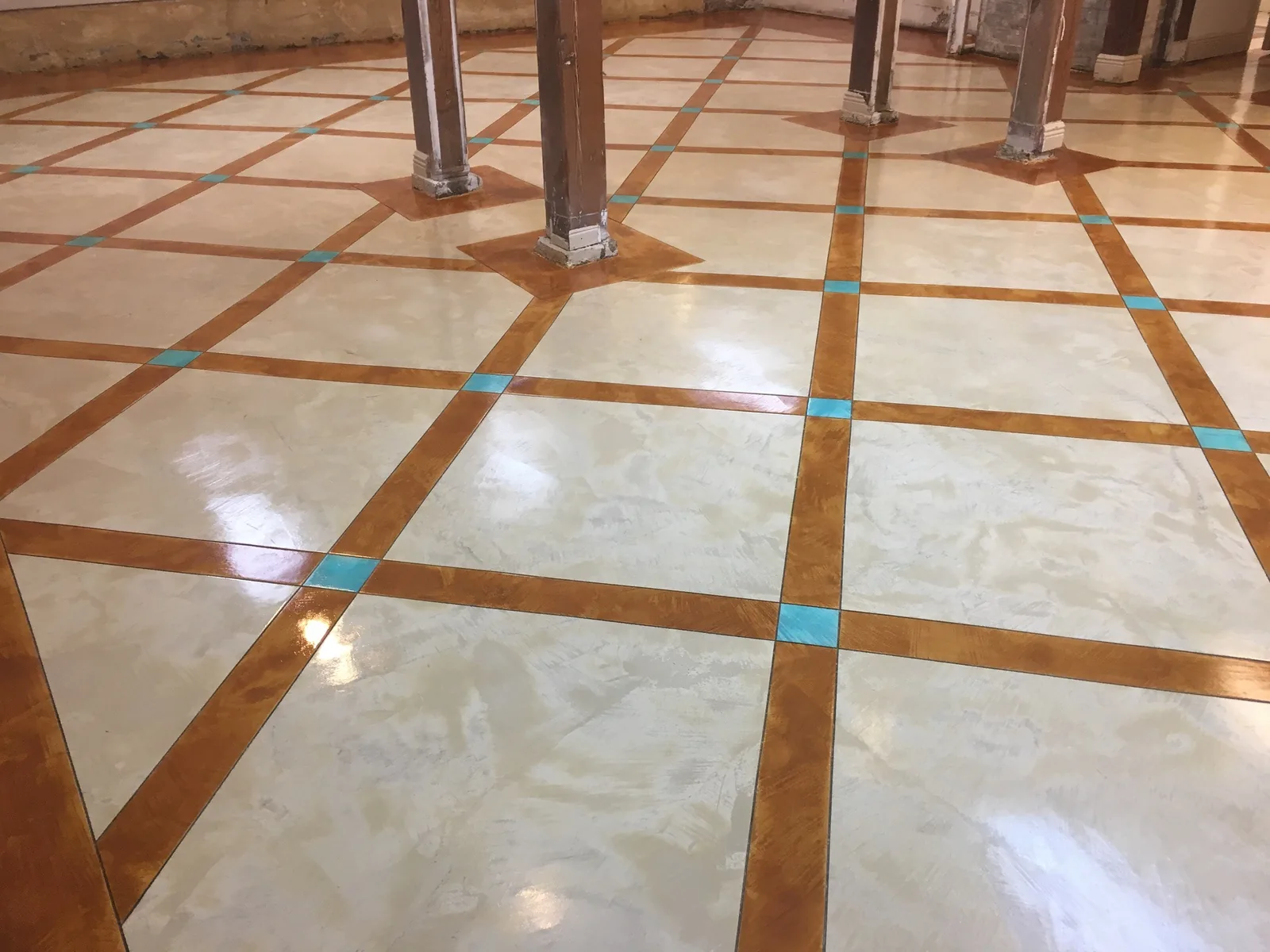
Reactive acid stain that gives a slab mottled, variegated color, scored or stenciled if you want a pattern, then sealed.
How any floor here gets built
The same order on every job, whatever the system.
Topcoat or guard, set to the traffic and the shine you want.
The color and the thickness: epoxy, urethane cement, stain or an overlay.
Soaks in and locks the system to the concrete.
Ground or shot blasted until the surface opens up and a coating can bite.
The concrete as we find it. Moisture, old sealer and cracks decide everything above it.
The next towns over
- Violet
2.6 miles away, St. Bernard Parish
- Meraux
5.1 miles away, St. Bernard Parish
- Belle Chasse
7 miles away, Plaquemines Parish
- Chalmette
7.5 miles away, St. Bernard Parish
More in St. Bernard Parish, on the services page and in the gallery.
Do you come out to Poydras?
Yes. Poydras is about 11 miles east of our base in Harvey, inside the roughly 100 miles we cover. Someone comes out, looks at the slab and gives you a price after seeing it.
What should I know about a slab from around 1982?
A slab this age is usually past its settling and in good shape structurally. Expect a day or so of extra prep if it had tile, and less if it had carpet.
Can a floor that flooded be coated again?
Usually, once the concrete is sound. We grind off the old coating, adhesive and contamination, repair cracks and spalls, and test moisture after the slab has had time to dry. If the concrete itself is damaged, it gets repaired before any coating goes down.
How do you handle moisture coming up through older metro slabs?
We test the slab before we quote a system. When vapor readings are high, we use a moisture-mitigating primer or a urethane cement built for it instead of hoping a standard epoxy holds. That test costs far less than tearing out a failed floor.
Do you take commercial floor work in Poydras?
Yes. The crew is based in Harvey and covers the New Orleans metro, from restaurants and schools to warehouses and plants. A general contractor can send drawings, square footage and the schedule, or Dustin can come out and look at the slab.
What finish suits an old slab in an older building?
Polished or honed concrete often suits an old slab if it is sound, because it shows the character of the concrete instead of covering it. Heavily patched or uneven slabs may need a micro-topping or an overlay first. We look at the floor before we recommend either.
How should the floor look when Dustin arrives?
Clear enough to see bare concrete in a few spots. If the slab is under carpet or tile, pull back a corner where you can. Ten seconds of looking at the real surface tells us more than any description.
Will the whole floor be out of service at once?
Not always. Larger floors can be done in sections so part of the building stays open, with the order planned around traffic. It takes longer overall, and nobody has to shut down completely.
Is there anything to do for a commercial floor before you start?
Send the submittal requirements and any site safety rules early. Have equipment moved, drains and doorways marked and the area closed to other trades while we work.
After a flood, how soon can a floor be coated?
Not until the slab has dried out and been tested. Flood water leaves salts and silt in the concrete, so we grind deeper and check moisture before committing to a coating. Rushing it is how a new floor fails a year later.
Pick your way in
Tell us the space, the square footage and what goes on the floor. We will tell you which system fits and when we can start.
Send the plans
General contractors: send drawings, square footage, finish schedule and the window you have. Submittals and samples on request.