
Heavy traffic and Waggaman floors that take it
Twenty-two years on grinders taught Jacob Lawson one thing about Gulf concrete: it holds water. Floors in Waggaman get a moisture check before a primer is chosen, because that call decides whether a coating stays down. It sits in Jefferson Parish, about 10 miles west of Harvey.
Waggaman, Jefferson Parish, Louisiana.
Getting to Waggaman
Housing figures from the US Census.
The median home in Waggaman was built around 1979, by the Census count. A fifty-year-old garage slab has usually earned its cracks. If the control joints were cut shallow or late, the slab cracked where it wanted to.
We fill those cracks to suit the coating plan and treat real joints as joints.
We read those numbers the way we read a slab: they say whether to expect garages, rentals or commercial floors before we drive out.
Floors in Waggaman live with the same Gulf air as the rest of the metro: wet heat most of the year and slabs that sweat whenever warm, heavy air rolls in over cool concrete. Around Jefferson Parish, the floor work is mostly this: harvey Canal shops, Metairie storefronts, Kenner kitchens and garages on both banks, close enough to start early and stay late.
Waggaman sits in Jefferson Parish, inside a stretch of Southeast Louisiana where a lot of ground lies at or below sea level and water management is a fact of every building.
Most homes here are stand-alone houses, about 97 in every 100. Most people here live in houses, which puts carports, back patios and garage floors near the top of the list.
Gulf air on bare concrete
The New Orleans metro.
Waggaman is in Jefferson Parish, about 10 miles west of the shop.
The building stock runs from century-old commercial buildings with tired, patched slabs to suburban strip centers and new restaurants poured last year. Old slabs usually mean layers of tile mastic, paint and past repairs, plus joints that have moved. New slabs bring the opposite problem: they hold water while they cure, and flooring put down too early fails. Either way, prep decides the floor. Grinding to the right profile, filling joints properly and reading the moisture are most of the job.
Garage and patio owners should go with a flake or slip-resistant finish, because a glossy floor turns slick fast once humid air or tracked-in rain hits it.
If the building took water in a past storm, plan for full grinding and repair, since old flood residue under a new coating is how floors fail early.
For a restaurant or commercial kitchen in Waggaman, urethane cement handles hot water, grease and daily washdown far better than a thin epoxy roll coat ever will.
What to put down here
Garage Floor Coatings
Flake, solid color, metallic or polished concrete for home garages, ground first so hot tires and oil never lift it.
Patio Coatings
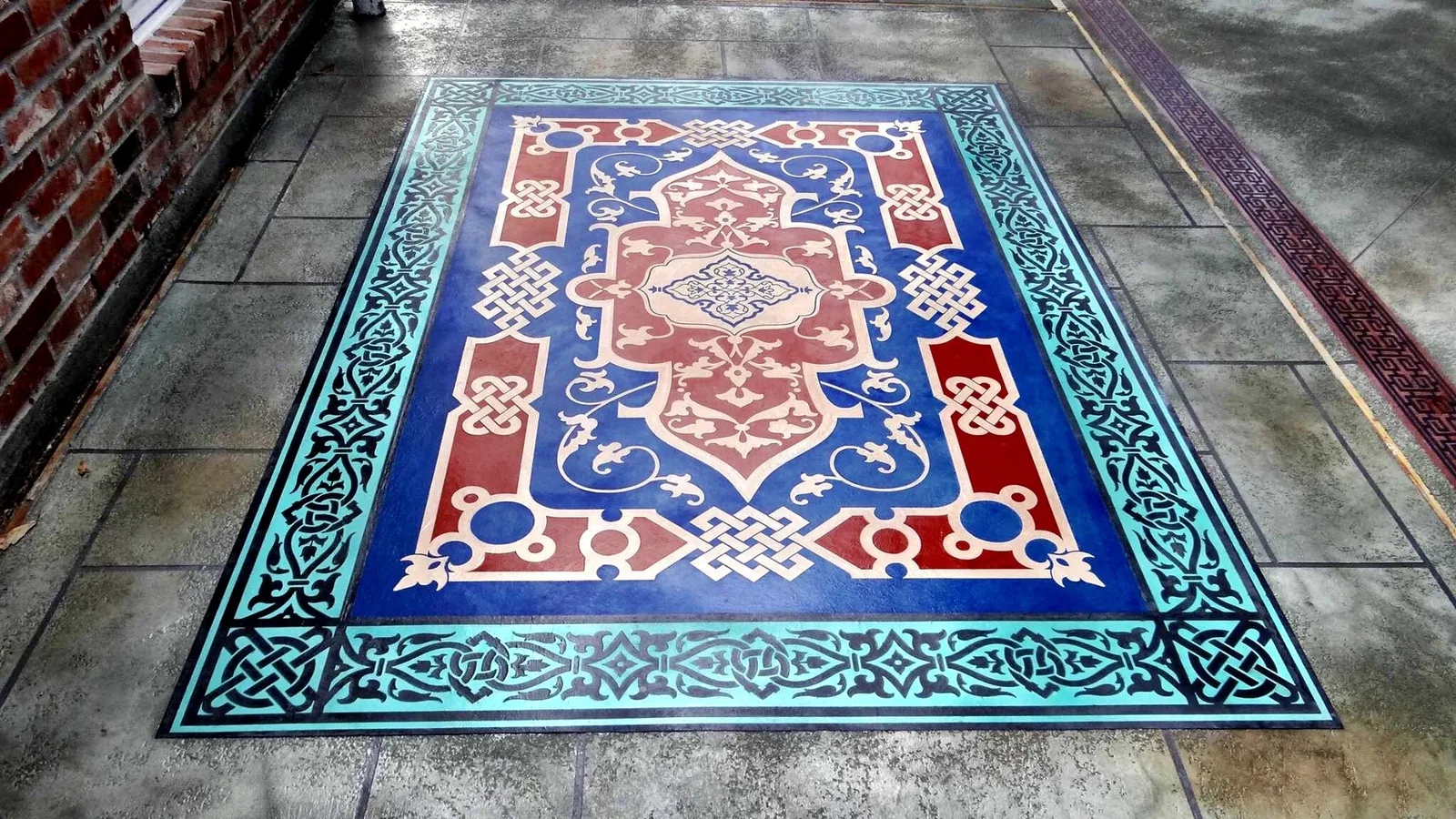
Overlays, stamped patterns and stain for covered and open patios and porches, finished with a topcoat that grips in the rain.
Concrete Staining
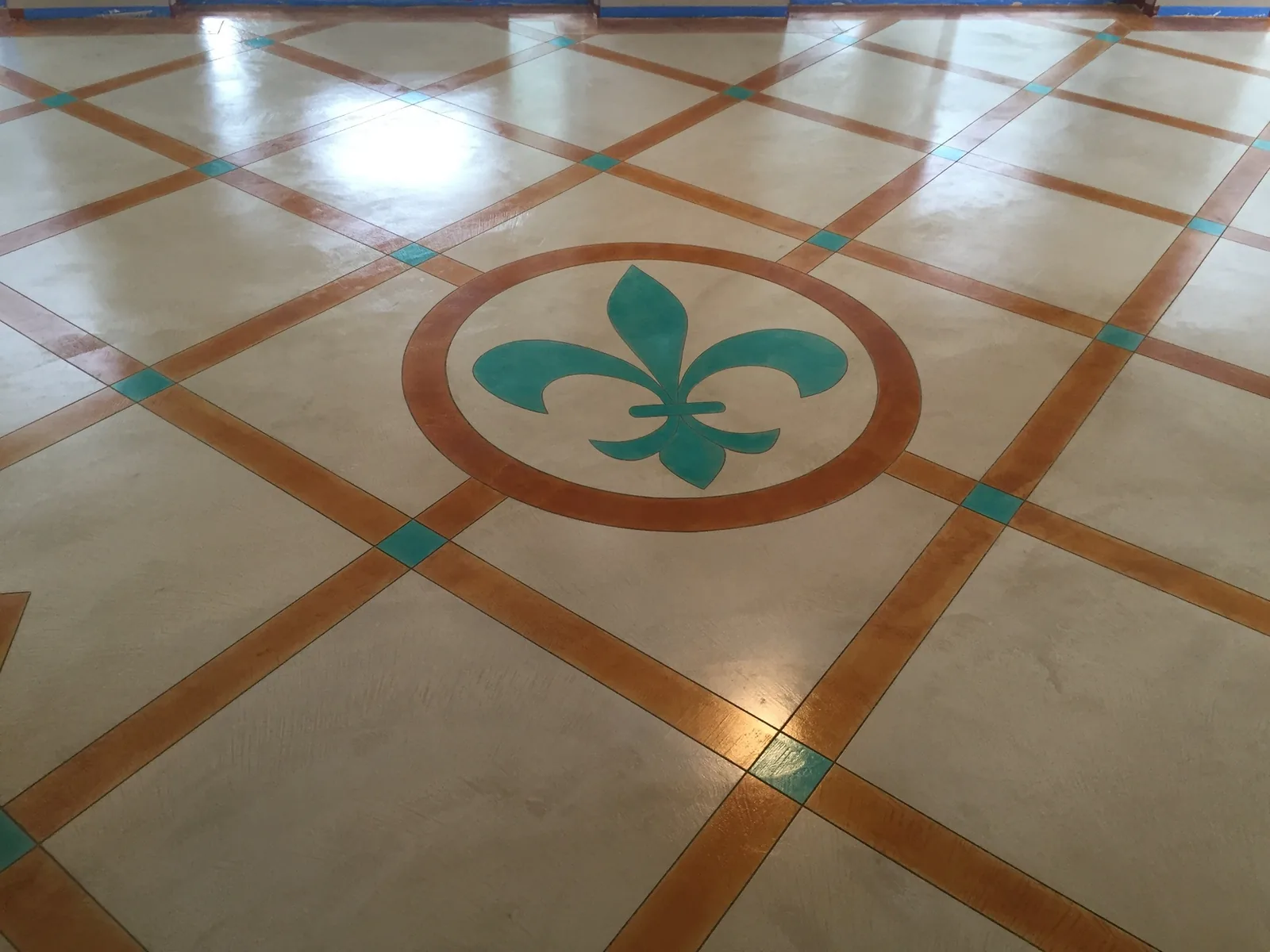
Reactive acid stain that gives a slab mottled, variegated color, scored or stenciled if you want a pattern, then sealed.
How any floor here gets built
The same order on every job, whatever the system.
Topcoat or guard, set to the traffic and the shine you want.
The color and the thickness: epoxy, urethane cement, stain or an overlay.
Soaks in and locks the system to the concrete.
Ground or shot blasted until the surface opens up and a coating can bite.
The concrete as we find it. Moisture, old sealer and cracks decide everything above it.
The next towns over
- River Ridge
1.5 miles away, Jefferson Parish
- Harahan
1.7 miles away, Jefferson Parish
- Elmwood
2.9 miles away, Jefferson Parish
- Avondale
3.3 miles away, Jefferson Parish
More in Jefferson Parish, on the services page and in the gallery.
Do you come out to Waggaman?
Yes. Waggaman is about 10 miles west of our base in Harvey, inside the roughly 100 miles we cover. Someone comes out, looks at the slab and gives you a price after seeing it.
What should I know about a slab from around 1979?
Some 1970s slabs have a thin plastic vapor barrier and some have none, so a moisture test tells us which one you have. Sheet vinyl and its adhesive are common on top and grind off slowly.
Does the humidity change how long a floor takes to cure?
It can. Heat and humidity change cure times for epoxies and urethanes, and some products blush or cloud when the air is wrong. We pick products and time the coats around the conditions on the day, and we tell you when the floor is ready for traffic.
How do you handle moisture coming up through older metro slabs?
We test the slab before we quote a system. When vapor readings are high, we use a moisture-mitigating primer or a urethane cement built for it instead of hoping a standard epoxy holds. That test costs far less than tearing out a failed floor.
Can you work around a restaurant that cannot close for long?
That is a normal job here. We plan the grind, the build and the cure around your closed hours or a short shutdown, and some urethane cement systems take traffic sooner than many epoxies. Tell us your window and we will tell you straight whether it fits.
Do you take commercial floor work in Waggaman?
Yes. The crew is based in Harvey and covers the New Orleans metro, from restaurants and schools to warehouses and plants. A general contractor can send drawings, square footage and the schedule, or Dustin can come out and look at the slab.
Can you quote from photos or plans instead of a visit?
For commercial jobs, drawings, square footage and a schedule are often enough to price the work, with a look at the slab before we start. For homes, photos help, but we want to see the concrete in person before we commit to a system.
Is there a wait before cars or forklifts go back on?
Yes. Vehicles wait for a fuller cure, often several days on a coated garage and longer for heavy equipment. Polished concrete can usually take traffic as soon as the crew packs up.
Is there anything to do for a commercial floor before you start?
Send the submittal requirements and any site safety rules early. Have equipment moved, drains and doorways marked and the area closed to other trades while we work.
Does hurricane season change the schedule?
Indoor work goes on as normal. Outdoor jobs and anything with a long cure get planned around the forecast, and if a storm is coming we would rather move the date than rush a coating.
Two ways to start
Call with the address and what the floor has to survive. Someone will come look at the slab before anybody talks price.
Send the plans
Bidding a job? Send the plans and the schedule. We price from drawings and walk the slab before we commit to a date.