
Slabs around Grand Point, handled from Harvey
Big community or small, Grand Point deals with the same concrete trouble as the rest of the Gulf South: vapor coming up from below and old adhesive sitting on top. Our crew has spent 22 years grinding through it. It sits in St. James Parish, about 42 miles west of Harvey.
Grand Point, St. James Parish, Louisiana.
Census facts for Grand Point
Housing figures from the US Census.
The median home in Grand Point was built around 1990, by the Census count. Garage floors from this decade often have tire marks burned into an old sealer and oil soaked in under where the car leaks. Hot tire pickup is why we prefer a ground slab and a real primer.
Oil spots get cleaned and tested so the coating grabs there too.
Floor work around Grand Point often answers to industrial standards, since plant owners and their contractors expect submittals, safety plans and work that fits inside a shutdown window.
Most homes here are stand-alone houses, about 88 in every 100. Houses on their own slabs mean each owner decides on their own floor, with no board or manager to clear it with first.
Numbers like these are why we ask what the space is used for before we talk systems.
The corridor is plant country, with refineries, chemical plants and grain elevators lining the river roads alongside the shops, warehouses and contractors that keep them running. Around St. James Parish, the floor work is mostly this: process plant and terminal floors along the river, farm shops in the cane, and homes in Lutcher, Gramercy and Vacherie. Close by, typical homes run from about 1974 in Lutcher to 2006 in Paulina, and Grand Point sits on the older side of that spread.
Water coming up from below
The River Parishes.
Grand Point is in St. James Parish, about 42 miles west of the shop.
Plant and refinery floors along the river see chemical spills, hot washdowns, forklifts and steel wheels, sometimes all in one room. A decorative epoxy will not last in that service. Urethane cement, chemical-resistant novolac epoxies and thick troweled systems are built for it, and they need a properly ground or shot-blasted profile to bond. We match the system to what actually lands on the floor, so the first thing we ask a plant for is its chemical list.
Homeowners around Grand Point with a garage or shop slab should moisture test before coating, since river-country ground keeps on-grade concrete damp longer than most people expect.
Book floor work into a turnaround or shutdown window early, since the crew, the materials and the cure time all have to fit inside dates the plant sets.
On older commercial slabs, plan time for removing what is already there, because old coatings and mastic are often the biggest part of the job.
Choosing a floor for Grand Point

Industrial Flooring
Plants, process areas, shops and support buildings along the river and coast, zoned by use and installed around shutdown windows.
Garage Floor Coatings
Flake, solid color, metallic or polished concrete for home garages, ground first so hot tires and oil never lift it.
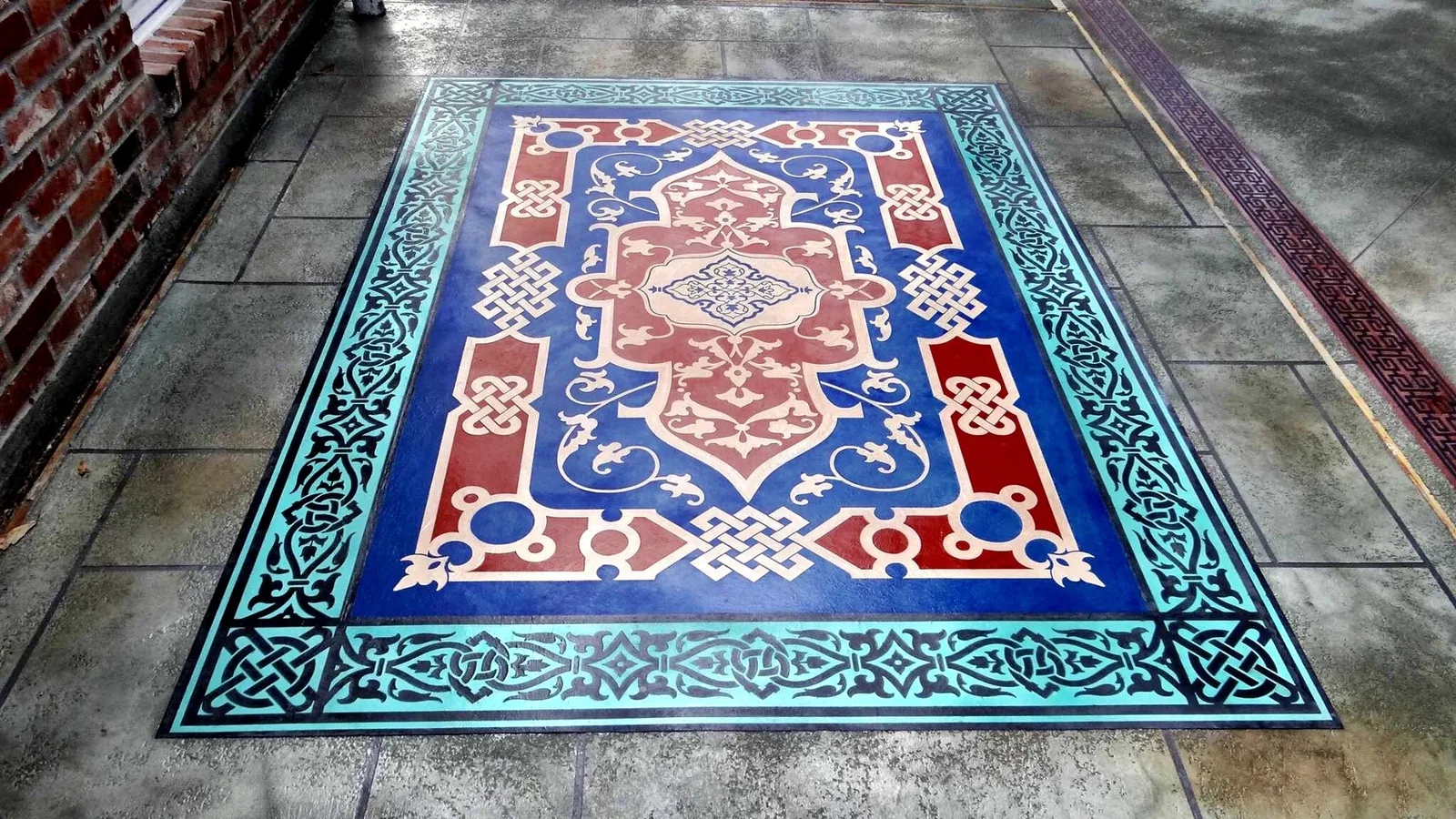
Patio Coatings
Overlays, stamped patterns and stain for covered and open patios and porches, finished with a topcoat that grips in the rain.
How any floor here gets built
The same order on every job, whatever the system.
The finish you actually walk on, matched to the use.
Where the system gets its build: resin, cement or a decorative overlay.
Soaks in and locks the system to the concrete.
Ground or shot blasted until the surface opens up and a coating can bite.
Whatever the slab is, it gets read first: moisture, cracks, old coatings, and how level it sits.
The next towns over
- Paulina
1.8 miles away, St. James Parish
- Hester
1.9 miles away, St. James Parish
- Lutcher
2.5 miles away, St. James Parish
- Gramercy
3.5 miles away, St. James Parish
More in St. James Parish, on the services page and in the gallery.
Asked and answered
Or send the plans first.
Want a straight answer today? Ring the office.
(504) 231-6298Do you come out to Grand Point?
Yes. Grand Point is about 42 miles west of our base in Harvey, inside the roughly 100 miles we cover. Someone comes out, looks at the slab and gives you a price after seeing it.
What should I know about a slab from around 1990?
It is usually a good, flat, well-cured slab. The main jobs are removing tile or glue and opening the surface so a coating can bond.
What floor holds up to chemical spills?
Urethane cement and chemical-resistant epoxies, installed thick over a properly prepared slab. Which one depends on the chemicals, the temperatures and the cleaning routine. We match the resin to your exposure list rather than guessing.
What do you do about moisture in river-country slabs?
We test every slab before we spec a system. High vapor readings call for a moisture-mitigating primer or urethane cement, both of which tolerate conditions that make a standard epoxy blister.
Is Grand Point inside your service area?
Yes. The River Parishes sit well inside the area we cover from Harvey on the Westbank. Dustin can set a time to come look at the floor, or a contractor can send plans and the schedule.
Do you take residential work along the river?
Yes, garages, patios, shops and interiors. Homeowners get the same moisture test and grinding a commercial floor gets, because the slab does not care who owns it.
Do I have to be there for the visit?
It helps. You know where the leaks, old spills and soft spots are, and Dustin can answer questions on the spot. If you cannot make it, a manager or contractor who knows the space works fine.
What can push a schedule back?
Moisture in the slab, surprises under old flooring and rain on outdoor jobs. We test early and look under the old floor during the visit, so most of that shows up before the dates are set.
What do I need to do before the crew shows up?
Clear the floor completely, including shelves, stored items and anything you want moved. Make sure the crew has access to power and water. After that, stay off the slab once prep starts.
My slab sweats in the summer. Is that a problem?
It means moisture is reaching the surface, from below, from the air or both. We test to see which, then pick a primer and system that can handle it. Coating a sweating slab without that step is how floors peel.
Call it in or send the plans
Call with the address and what the floor has to survive. Someone will come look at the slab before anybody talks price.
Send the plans
General contractors: send drawings, square footage, finish schedule and the window you have. Submittals and samples on request.